

In the world of high-stakes macroeconomics, we often talk about Taiwan as the center of the technological universe. With TSMC producing over 90% of the world’s advanced logic chips, the island has created what is known as the “Silicon Shield” – a level of industrial importance so high it serves as a deterrent to global conflict.
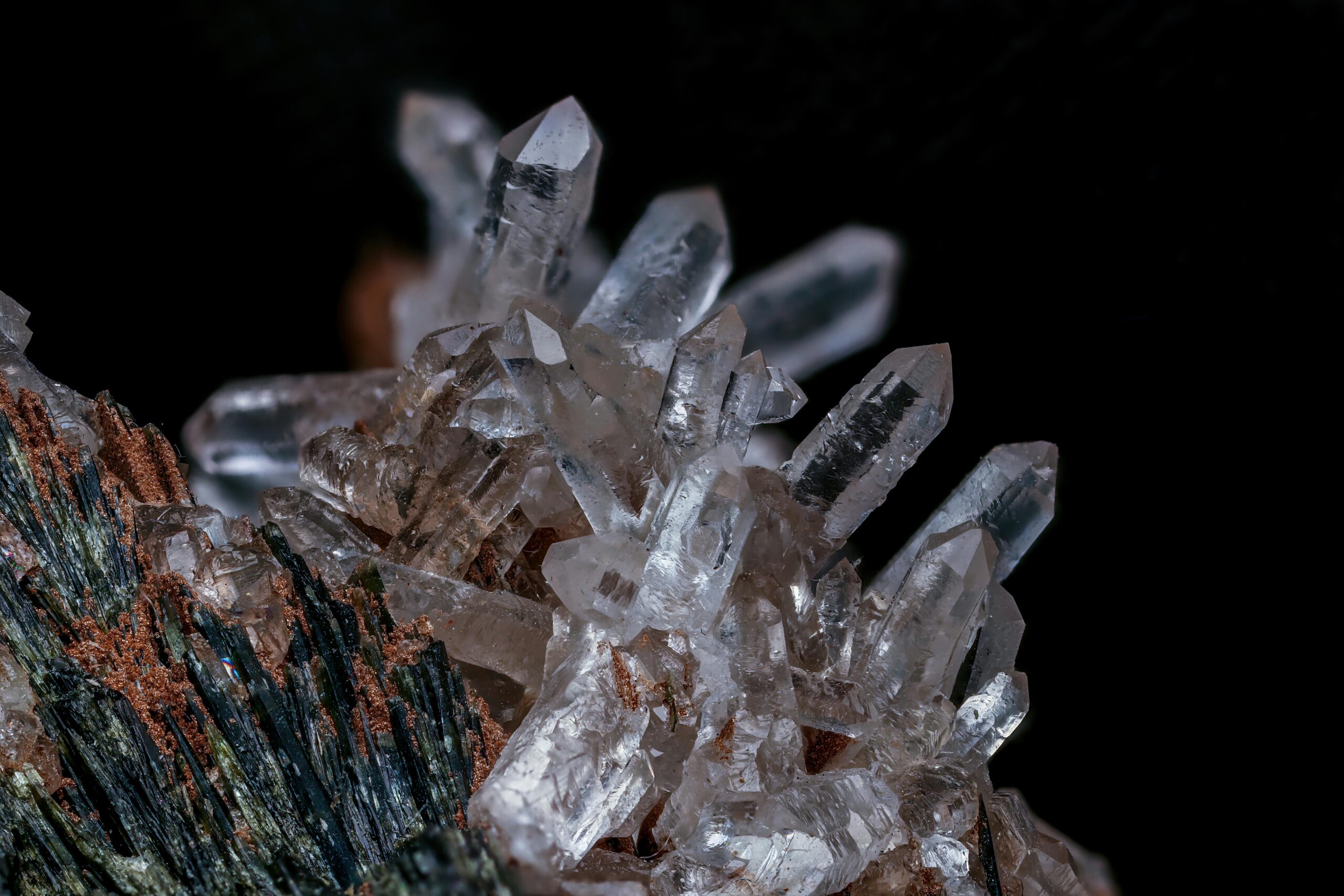
But for the sophisticated investor, there is a deeper layer to this story. Taiwan’s dominance is not self-contained; it is tethered to a specific “lineage” of high-purity quartz (HPQ) found only in Spruce Pine, North Carolina.
1. The Crucible of Geopolitics
Taiwanese fabs like TSMC and United Microelectronics Corp (UMC) operate on a “zero-defect” mandate. To maintain the yields that keep their margins at the top of the industry, they cannot afford a single batch of contaminated silicon.
- The Dependency: Every single 3nm or 5nm chip coming out of Hsinchu Science Park began its life inside a quartz crucible.
- The Lineage Factor: While Taiwan has mastered the process of chipmaking, they are almost entirely dependent on the provenance of the quartz. If the quartz isn’t from the Spruce Pine lineage, the thermal stability and “5-Nines” (99.999%) purity are not guaranteed. Without Spruce Pine, the “Silicon Shield” begins to crack under the weight of falling yields.
2. Taiwan’s Strategy: Stockpiling vs. Synthesis
Taiwan is acutely aware of this “Single Point of Failure.” Following the supply chain shocks of 2024; specifically the impact of Hurricane Helene on the Spruce Pine district, Taiwanese firms have shifted their strategy:
- Strategic Buffering: Major Taiwanese suppliers like Topco Scientific (a key quartz processor for TSMC) have moved from “Just-in-Time” to “Just-in-Case” inventory management. They are now holding massive strategic reserves of Spruce Pine HPQ to weather any natural or political disasters in the U.S.
- The Synthetic Struggle: Taiwan’s Industrial Technology Research Institute (ITRI) is among the world leaders trying to “engineer” a way out of this dependency. However, synthetic quartz remains a high-CapEx, low-yield alternative. It currently lacks the natural structural integrity that 380 million years of Appalachian geology provided for free.
3. The “Refining” Illusion
Hedge funds often ask: “Why can’t Taiwan just refine lower-grade quartz from elsewhere?” The answer lies in the Energy-Purity Paradox. Refining “dirty” quartz (from Brazil or India) to the level required for a TSMC cleanroom requires an exponential increase in energy and chemical leaching. For Taiwan, an island already struggling with energy stability and water mandates, the “refining” path is a non-starter. It is cheaper, faster, and more reliable to maintain a direct line to North Carolina.
The Bottom Line for Investors
Taiwan doesn’t just buy quartz; they buy certainty.
As we look toward the 2026–2030 forecast, the capital expenditure in global fab equipment is expected to surpass $118 billion. Every dollar of that growth increases the “pull” on Spruce Pine’s limited supply.
The Play: When you bet on the growth of the Taiwanese semiconductor sector, you are, by extension, betting on the continued monopoly of Spruce Pine. In the electronic age, rarity isn’t just about gold, it’s about the specific molecular lineage of sand that makes the digital world possible.
Discover more from Old Cove
Subscribe to get the latest posts sent to your email.