
Architectural Lighting & Shading Systems
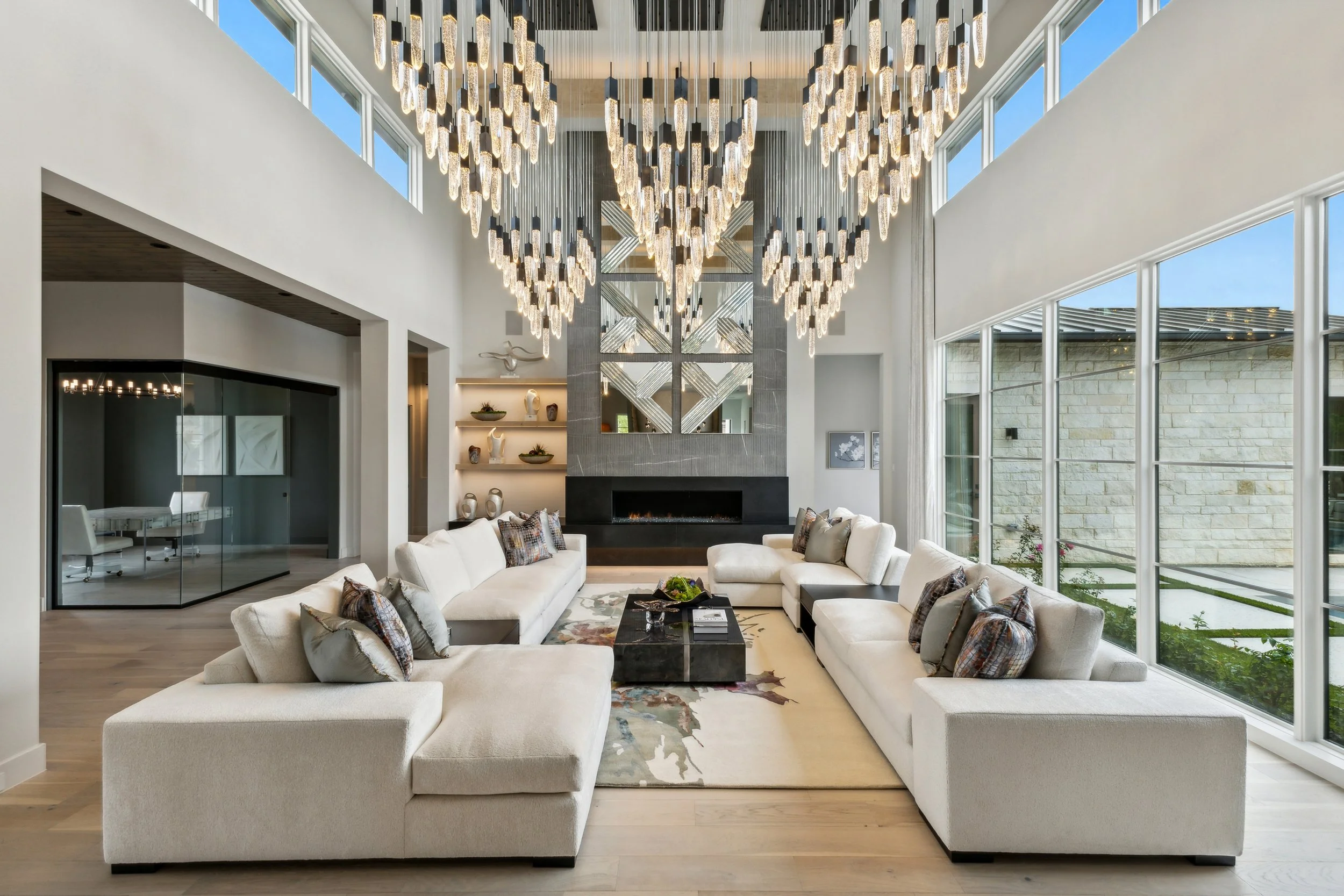
Precision lighting and shading systems designed for environments where performance, aesthetics, and long-term reliability matter.
Old Cove designs and integrates architectural lighting, automated shading, and control systems for high-end residences, commercial environments, and complex estates. We are Lutron certified installers. These systems are engineered as infrastructure — not decorative layers — and are designed to perform consistently from day one through decades of use.
Designed for performance, aesthetics, and reliability
Lighting and shading play a fundamental role in how a space feels, functions, and evolves throughout the day. When designed correctly, they enhance architecture, support human comfort, and operate invisibly in the background.
We approach lighting and shading as a coordinated system that balances architectural intent, electrical design, network reliability, and human experience — ensuring every component works together seamlessly.
Our architectural lighting and shading systems support:
- Whole-home and estate-scale lighting control
- Automated daylight management and glare control
- Precision dimming and scene-based control
- Clean architectural keypads and interfaces
- Deep integration with automation, AV, and network systems
- Long product lifecycles with manufacturer-backed support
What Lutron actually is (and why it’s different)
Lutron is not simply lighting control. It is a distributed, highly reliable architectural control ecosystem designed to manage how light, shade, and environments behave — consistently, quietly, and intuitively.
Unlike consumer or retrofit systems, Lutron platforms are engineered to be specified early, installed correctly, and supported over the long term. This is why Lutron is the standard for architecturally complex and high-performance environments.
Lutron systems are known for:
- Rock-solid reliability
- Ultra-low latency control
- Clean architectural integration
- Long product lifecycles
- Exceptional support for large, complex projects


How Old Cove approaches lighting and shading differently
Most integrators install lighting systems.
We engineer them.
Our process treats lighting and shading as core infrastructure that must align with architecture, electrical design, networking, and human behavior. We have trained extensively to become Lutron HomeWorks certified dealers.
Architectural intent
- Lighting designed around how spaces are used, not just how they look
- Early coordination with architects and designers
- Thoughtful scene design that enhances materials and scale
Electrical & wiring strategy
- Centralized, distributed, or hybrid architectures based on project needs
- Panel layout, load balancing, and serviceability planning
- Designs that support future expansion and upgrades
Network & system reliability
- Processor placement and redundancy
- Reliable communication paths between lighting, shading, and automation
- Clean integration with the broader home network
Human experience
- Intuitive keypad layouts
- Consistent response times
- Systems that feel natural, not technical


Lighting and shading systems we design and integrate
Whole-home and estate lighting control
- Scene-based control across single and multi-structure properties
- Scalable designs for large estates
- Consistent performance across every space
Automated shading
- Quiet, precision-controlled shade systems
- Integrated daylight harvesting
- Automated privacy, glare, and solar management
Architectural keypads and interfaces
- Minimal wall clutter
- Clearly labeled scene logic
- Custom engraving aligned with architectural language
Fixtures and downlights
- Ketra — Tunable, color-accurate architectural lighting
- Lutron Rania — Precision architectural downlights
- DMF Lighting — Modular high-performance downlighting
- Tala — Design-forward decorative fixtures

Lighting as the foundation — not the whole system
Lighting and shading become significantly more powerful when they are properly integrated with the rest of the environment.
We routinely integrate lighting and shading systems with:
- Home automation platforms
- Architectural audio and video systems
- Network and security infrastructure
- Sensor-driven and environmental automation
This ensures lighting remains a core system, not a standalone layer.
Who architectural lighting & shading is ideal for
These systems are best suited for:
- Custom residences designed for longevity
- Architecturally significant projects
- New construction and major renovations
- Homes where lighting quality and control cannot compromise performance
Who it’s not for
Architectural lighting systems may not be the right fit for:
- Cost-driven retrofit projects
- Short-term installations without long-term planning
- Environments where lighting control is treated as an afterthought
Why clients choose Old Cove
- Deep experience with complex lighting systems
- Strong collaboration with architects, designers, and builders
- Thoughtful documentation and long-term system ownership
- Engineering discipline paired with design sensitivity
We design lighting systems that look right, feel right, and remain stable over time.

Let’s discuss whether architectural lighting & shading is the right fit
If you’re evaluating lighting and shading systems for a residential or mixed-use project, we’re happy to discuss design strategy, system options, and integration considerations before any decisions are finalized.
Architectural Lighting & Shading FAQs
Lutron home lighting control refers to an integrated system of dimmers, keypads, sensors, and automated scenes that allow you to control lighting levels, schedules, and responses throughout your home seamlessly — far beyond what standard switches offer.
Standard switches only turn lights on or off. Lutron lighting systems allow for dimming, scene recall, occupancy sensing, daylight harvesting, and integration with automation platforms — giving you control, comfort, ambiance, and convenience.
Yes. Lutron systems integrate with many smart home platforms and technologies, including climate, audio/video, shading, and voice control systems. Integration lets you build unified scenes like “Good Morning” or “Movie Night” that adjust lighting, shades, and AV together.
Absolutely. Lutron offers integrated shading solutions that work in concert with lighting control to manage natural light, glare, and privacy — all controllable from keypads, apps, or automation scenes.
Yes. By dimming lights based on occupancy, daylight levels, and usage patterns, Lutron systems can significantly reduce energy consumption compared to traditional lighting setups. Automated scheduling and sensor control help minimize wasted electricity.
Yes. Lutron systems scale from individual rooms to whole-home control. Whether you have a single living space or a 10,000+ square foot estate, the system can be designed to fit your homes’ unique needs and layout.
Lutron offers a variety of control surfaces including sleek wall keypads, handheld remotes, mobile app control, and interfaces that integrate with voice assistants — all designed to be intuitive and flexible for daily use.
For optimal performance and usability, yes. Professional design ensures that system zones, control points, sensor placement, and automation rules are tailored to your lifestyle and architecture — not just “buttoned up” without intention.
Yes. Lutron systems support time-based programming, occupancy/vacancy sensors, daylight response, and custom scenes so the home anticipates your needs and adjusts lighting or shades automatically.
Lutron systems are designed to be flexible. As needs change — new rooms, new preferences, evolving schedules — your system can be reconfigured without major overhauls.
Yes. Lutron solutions can include exterior zones so that landscape, deck, and patio lighting integrate with indoor lighting scenes and schedules.
Yes. Many Lutron systems integrate with popular voice platforms so you can adjust lighting and shades with natural language.