


Modern lighting systems no longer need to be wired the way they were decades ago. As fixtures, controls, and automation have evolved, the traditional concept of routing line voltage through wall switches has become one of the biggest constraints in lighting design.
Lutron Rania introduces a fundamentally different wiring approach — one that allows builders and electricians to wire lighting using constant, unswitched line voltage, while all control logic is handled wirelessly between fixtures, processors, and wall keypads.
The result: no switch legs, no travelers, and dramatically more flexibility.
The Traditional Problem with Lighting Wiring
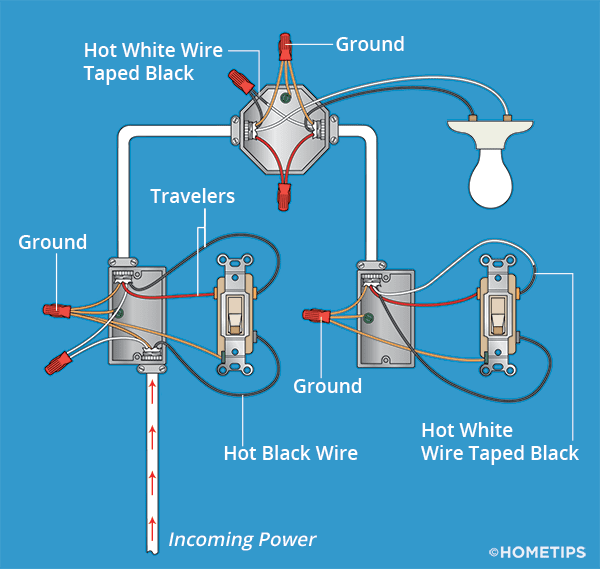
Traditional lighting systems were designed around one assumption:
The wall switch physically controls power to the fixture.
This creates several long-standing issues:
- Switch locations must be finalized very early
- Control logic is permanently hardwired
- Adding scenes or reassigning controls later requires rewiring
- Renovations become invasive and expensive
In modern homes and buildings — especially in NY & CT where layouts evolve late in construction — this rigidity can be a source of friction.
The Rania Wiring Model: Constant Power + Wireless Control
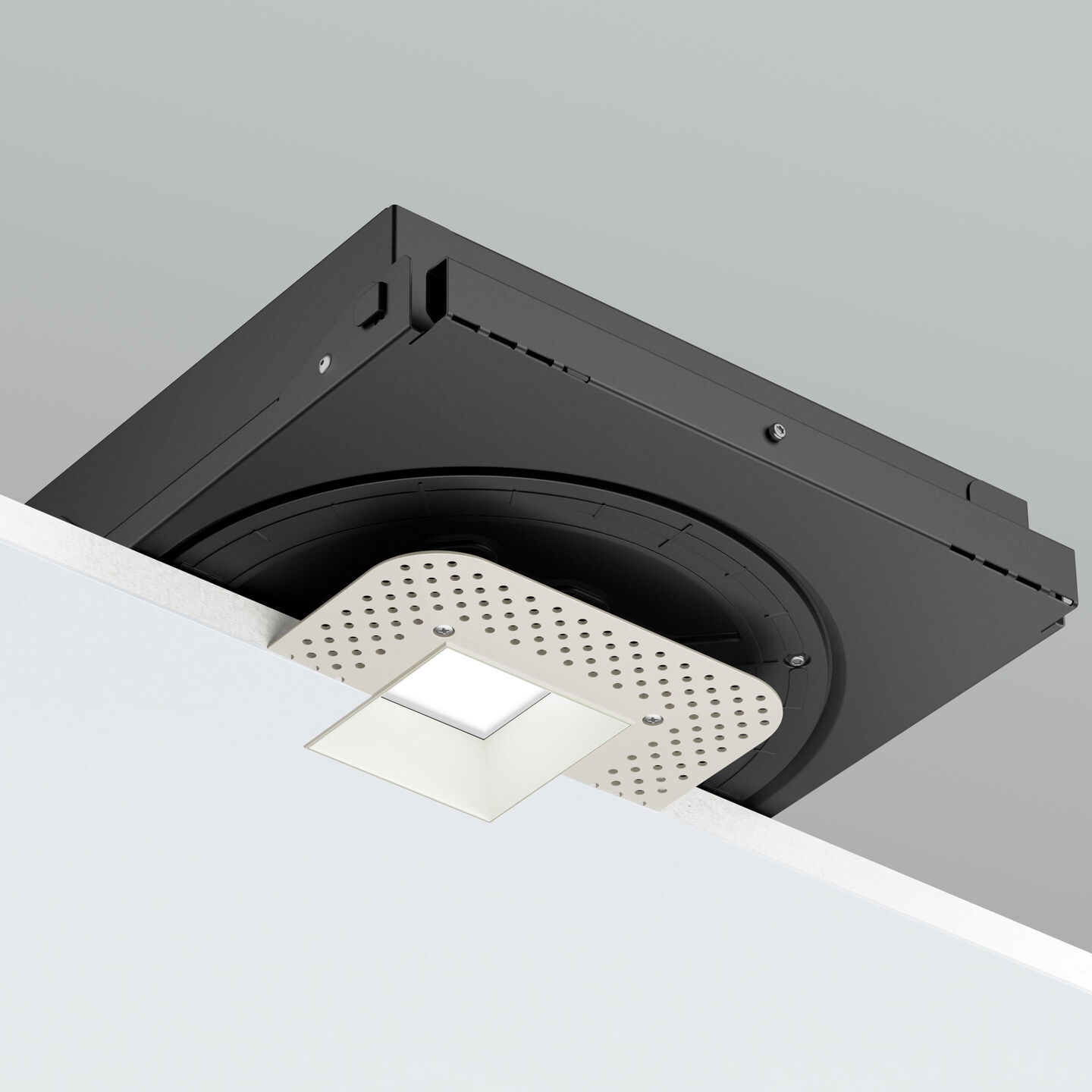
Rania replaces switch-based power interruption with control-based communication.
At a high level:
- Fixtures receive constant, unswitched line voltage
- Wall keypads do not switch power
- Control commands are sent wirelessly
- The Lutron processor orchestrates system behavior
In other words:
Power stays on. Control becomes logical, not electrical.
What “No Switch Legs” Actually Means
In a Rania system:
- There is no line voltage routed from panel → switch → fixture
- There are no travelers
- There are no dimmers interrupting power
Instead:
- Line voltage is routed directly to the fixture
- Fixtures listen for wireless commands
- Wall keypads act as control interfaces only
This decouples where a light gets power from how and where it’s controlled.
Why Builders Prefer This Wiring Approach
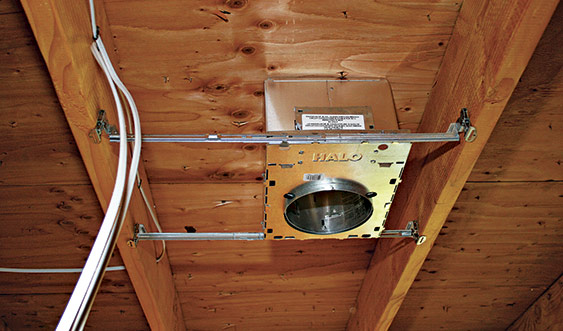
From a builder’s perspective, Rania simplifies the rough-in phase dramatically:
✔ Familiar rough wiring
- Standard line-voltage runs to fixtures
- No special switch-leg planning
- No traveler coordination
✔ Fewer late-stage changes
- Control locations can move without major rewiring
- Design changes don’t derail inspections
✔ Cleaner inspections & as-builts
- Straightforward electrical topology
- Less room for mislabeling or field errors
This is especially valuable in high-end residential construction, where layouts often evolve well into framing and trim stages.
Why Electricians Like It (Once They See It)
Electricians quickly realize that Rania:
- Reduces conductor count
- Simplifies box fill
- Eliminates “why doesn’t this switch work?” debugging
- Speeds up trim-out
Most importantly, it removes the risk of:
A perfectly wired system that doesn’t match how the homeowner actually wants to use the space.
Why Designers and Integrators Benefit
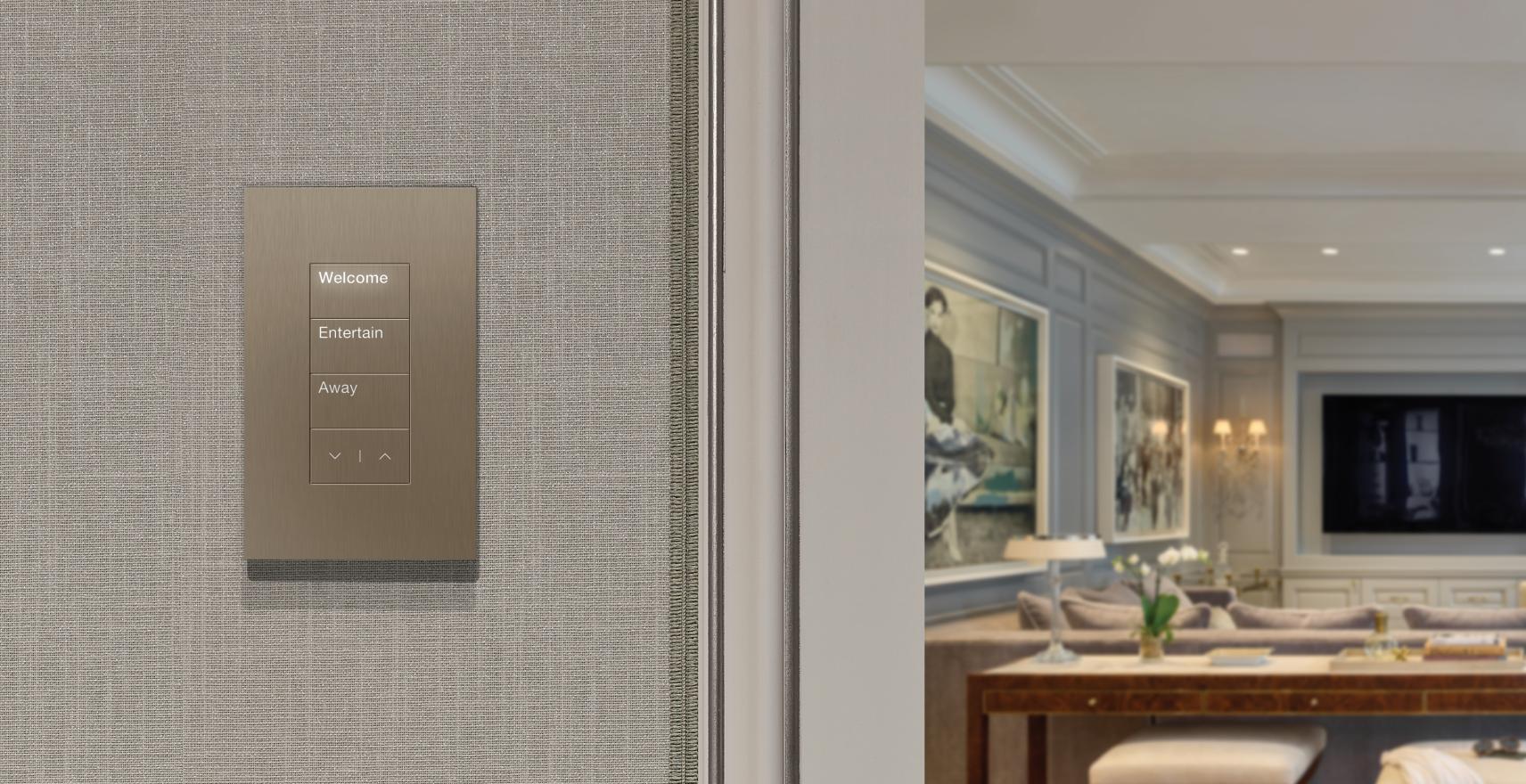
Because control is wireless and software-defined:
- Keypads can be placed for user experience, not wiring constraints
- Scenes can be reprogrammed without touching electrical
- One keypad can control multiple fixtures, rooms, or layers
- Lighting behavior can evolve over time
This enables:
- Scene-based lighting
- Time-of-day behavior
- Reconfiguration without demolition
How This Changes Renovations and Retrofits
In renovation-heavy markets like NYC & CT, this wiring model is particularly impactful.
Rania allows:
- Fixtures to remain powered
- Control upgrades without opening walls
- Legacy switch locations to be repurposed or removed
For older homes, this can be the difference between:
- A feasible lighting upgrade
- Or a project that’s cost-prohibitive
A Subtle but Important Clarification
Rania does not mean:
- The fixture is “always on” visually
- Power safety is compromised
- Code requirements are bypassed
It means:
Power delivery and control logic are intentionally separated.
This is the same architectural shift seen in modern networking, AV, and building automation systems.
Why This Wiring Model Matters Long-Term
Lighting expectations continue to rise:
- More scenes
- More automation
- More adaptability
A system built around constant power and wireless control:
- Adapts without rewiring
- Scales with the home or building
- Avoids becoming obsolete
That’s the long-term value proposition behind Rania’s wiring architecture.
Final Takeaway
Lutron Rania represents a structural change in how lighting systems are wired.
By allowing fixtures to receive constant line voltage and shifting all control to wireless communication, it eliminates switch legs, reduces construction friction, and gives designers and homeowners unprecedented flexibility.
For modern residential and commercial projects, this wiring approach aligns far better with how spaces are actually used — today and in the future.
Discover more from Old Cove
Subscribe to get the latest posts sent to your email.